Refractive Eye Surgery
Most Advanced Phacoemulsification Technique

What is MICS Cataract Surgery?

Refractive Eye Surgery

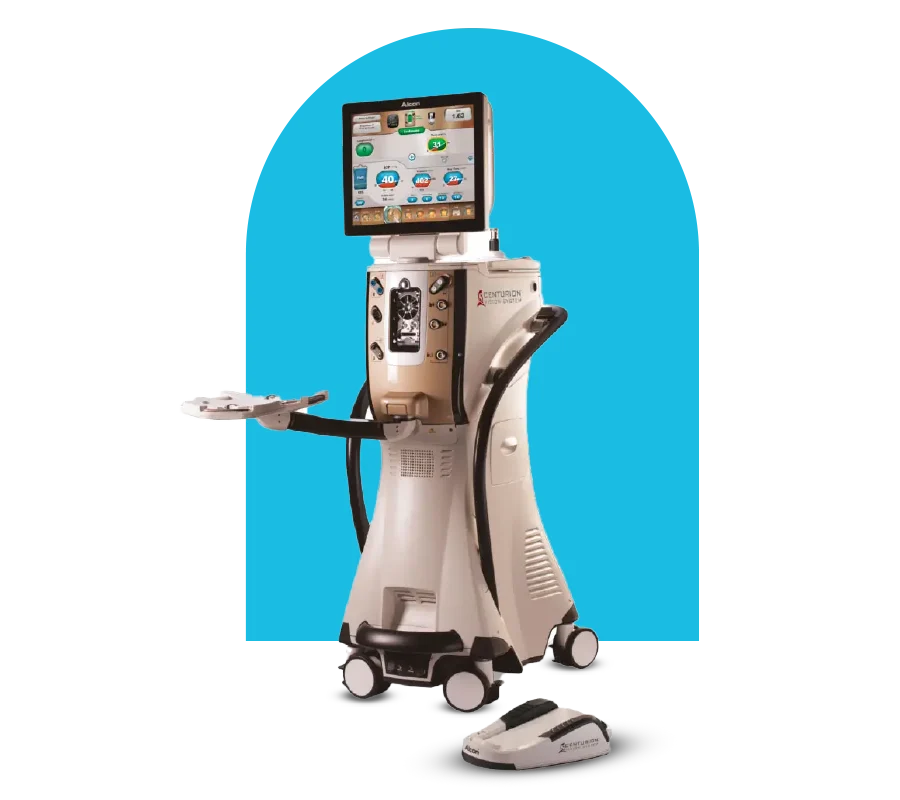
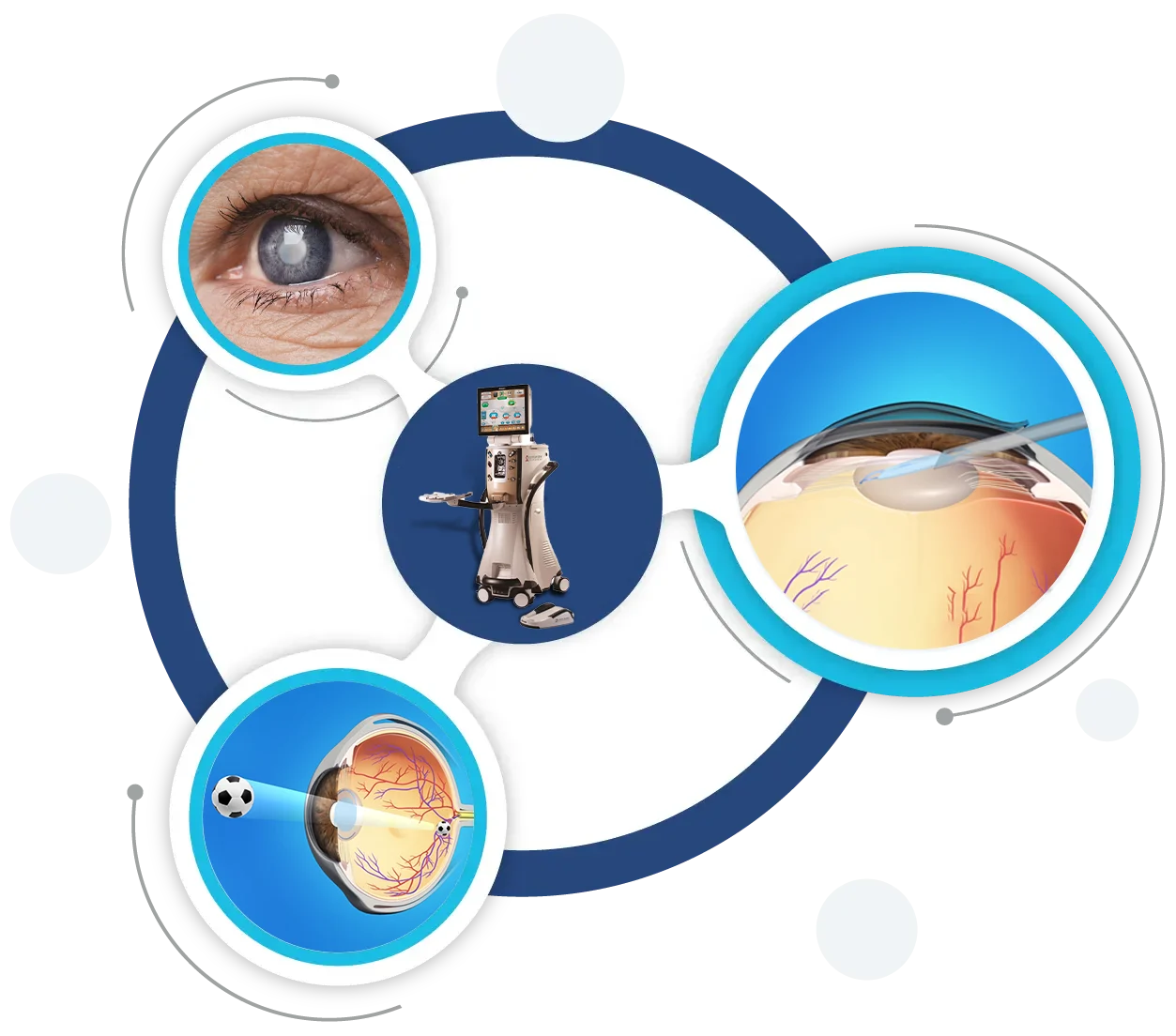
Experience clearer vision with the most advanced phacoemulsification cataract removal technique - Micro-Incision Cataract Surgery (MICS). Micro incisions of just 1.8–2.2 mm are created to gently remove the clouded natural eye lens and replace it with a clear, artificial intraocular lens (IOL). Because of minimal incision, no stitches are required, healing is faster, and visual recovery typically begins within 24 hours. At Sohana Eye Hospital, the procedure is performed using the latest Centurion Vision System for maximum precision, safety, and comfort. MICS ensures painless, suture-free surgery, faster recovery, and sharper vision with reduced dependence on glasses. Regain the clarity and confidence you deserve!

Highlights of MICS Cataract Surgery at Sohana Hospital:
  • Smaller incision size & less tissue trauma
  • No injection & no stitches
  • Quicker vision recovery
  • Lower risk of surgery-induced astigmatism
  • Reduced need for glasses
  • Premium IOls can be implanted
  • Minimal post-operative restrictions
  • Resume normal routine sooner

No more cloudy vision! Get expert cataract care today!

How MICS Works

Step-1

Anaesthesia

Local anaesthesia in the form of numbing eye drops is usually administered to numb the eye. This ensures you do not feel any pain and remain comfortable during the procedure.

Step-2

Creating an Incision

In MICS, tiny incisions, typically ranging between 1.8 - 2.2 millimeters, are made at the edge of the cornea. These small openings help minimise the impact on the eye, reducing the requirement for stitches.

Step-3

Phacoemulsification

A special instrument known as a phacoemulsification probe is used to break up and extract the clouded natural lens of the eye. Ultrasonic vibrations fragment the cataract into rice-grain-sized pieces, which are then gently suctioned out of the eye. Ultrasound energy used in MICS is less than that needed in traditional phaco cataract surgery.

Step-4

Implanting an IOL

After removing the cataracts, the eye surgeon carefully inserts an artificial intraocular lens (IOL) through the same tiny incision. Once the clear artificial lens replaces the natural lens, clear vision is restored in the eye.

Step-5

Monitoring

After the surgery is over, patients are instructed to rest in the recovery room for some time. Doctors monitor your recovery during this period.

Step-5

Eye Protection

A protective eye shield may be temporarily put over the operated eye to avoid any pressure and accidental rubbing.
Why Choose Us?

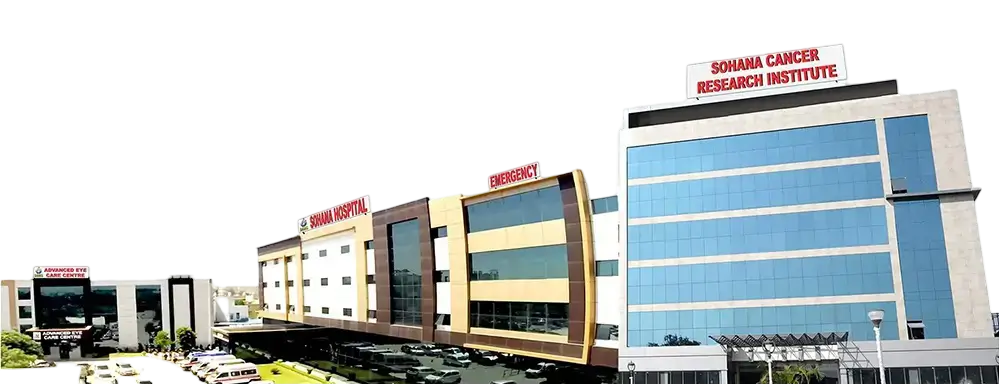
Sohana Hospital - The Largest Super Speciality Eye Hospital In North India

Protect your vision for life! Expert Cataract Care at Sohana Eye Hospital. Our team of experienced specialists is dedicated to providing personalized care using the latest technology at the most affordable prices.

30+ years of excellence

Expert cataract surgeons

NABH & NABL certified

Comprehensive facilities

Cutting-edge technology

Most affordable prices

Pay in no-cost EMI

Easy insurance approvals

Book an Appointment
OUR TEAM OF EXPERTS

Meet Our Cataract Surgeons

What to Expect on the Day of Surgery

  • Quick pre-surgery eye checkup
  • Comfortable, painless procedure of only 10-15 minutes (per eye)
  • No injections or stitches are needed
  • Rest in the recovery room for a short period
  • Doctor will examine your eyes once again after the procedure
  • Go home the same day with clear instructions for post-op care

Recovery after MICS Cataract Surgery

  • Avoid touching, rubbing, or pressing your operated eye
  • Use prescribed eye drops as instructed to prevent infection
  • Wear protective glasses when outdoors and while sleeping
  • Avoid strenuous activities and heavy lifting for 2-6 weeks
  • Protect the eye from water, dust, and soap for at least a week
  • Attend all follow-up appointments for regular monitoring

Locate Us

Book an Appointment

Got Doubts?

Frequently Asked Questions

What is MICS cataract surgery?

Answer: MICS (Micro Incision Cataract Surgery) is an advanced cataract procedure at Sohana Eye Hospital, Mohali. Cataract is removed through a very small incision (1.8mm – 2.2mm). It ensures you recover faster, have minimal discomfort, and a negligible risk of complications.​
Answer: MICS uses smaller incisions (smaller than 2.2 mm), while conventional surgeries require bigger cuts. For a patient, it means less pain and faster recovery, along with lower complication risk.
Answer: No. Most patients report little to no pain with MICS. It is because the procedure is minimally invasive and performed under local anaesthesia. Any mild discomfort that may occur post-surgery typically resolves within a day or two.
Answer: Recovery is usually rapid since the wound is smaller. Most people experience clear vision and resume daily activities within 2-3 days as they achieve noticeable vision clarity within 24-48 hours. However, there may be variations in the recovery time of different patients. It is always good to discuss it with your eye surgeon.
Answer: Usually, no stitches are required in MICS. Because the incision is tiny, it heals on its own.
Answer: The risk of complications is very low because the incision is small and heals faster than in traditional cataract surgery. Expert eye surgeons at Sohana Eye Hospital take due precautions to minimise any risk of infection, temporary corneal edema, and posterior capsule rupture.​
Answer: MICS offers numerous advantages over traditional cataract surgery, including smaller incisions, faster recovery, lower astigmatism risk, superior visual outcomes, and reduced dependence on glasses after surgery.
Answer: Those diagnosed with cataracts, and looking for a minimally invasive approach and speedy recovery, can opt for MICS.
Answer: MICS is one of the safest choices for diabetics with controlled sugar levels, the aged, and even those with heart conditions. The incision is tiny and heals fast - lowering the risk of complications. Also, it is done under local anaesthesia, which ensures stress on the body is less.
Answer: MICS allows you a wide choice in artificial lenses, including premium, multifocal, or toric options. Depending on the kind of lenses you choose, you may not need to wear glasses at all for close, intermediate, or distance vision.
Answer: It largely depends on your choice of intraocular lenses (artificial lenses). While some patients may still need glasses for certain activities, MICS can reduce or eliminate dependency on glasses for many individuals, especially for distance vision. With the advanced options in IOLs, you may see clearly at all distances - far, intermediate, and close.
Answer: Typically, one eye is operated on at a time. Once this eye heals, the other eye will be operated on. This means there is often a gap of a few days or, in some cases, a few weeks. At Sohana Eye Hospital, experienced eye surgeons guide you regarding what would be suitable in your particular case.
Answer: The surgery itself is usually very quick, often less than 20 minutes. Most patients are able to return home the same day and resume normal activities shortly after.
Answer: Sohana Eye Hospital offers MICS cataract surgery at the most affordable prices with easy no-cost EMI options to patients in Mohali, Chandigarh, and across North India. The goal is to ensure that more patients benefit from the advanced cataract technology and see clearly all their life.

Our Empanelment