Femto Lasik Surgery
Vision correction surgery

What is Femto LASIK?

Femto Lasik Surgery

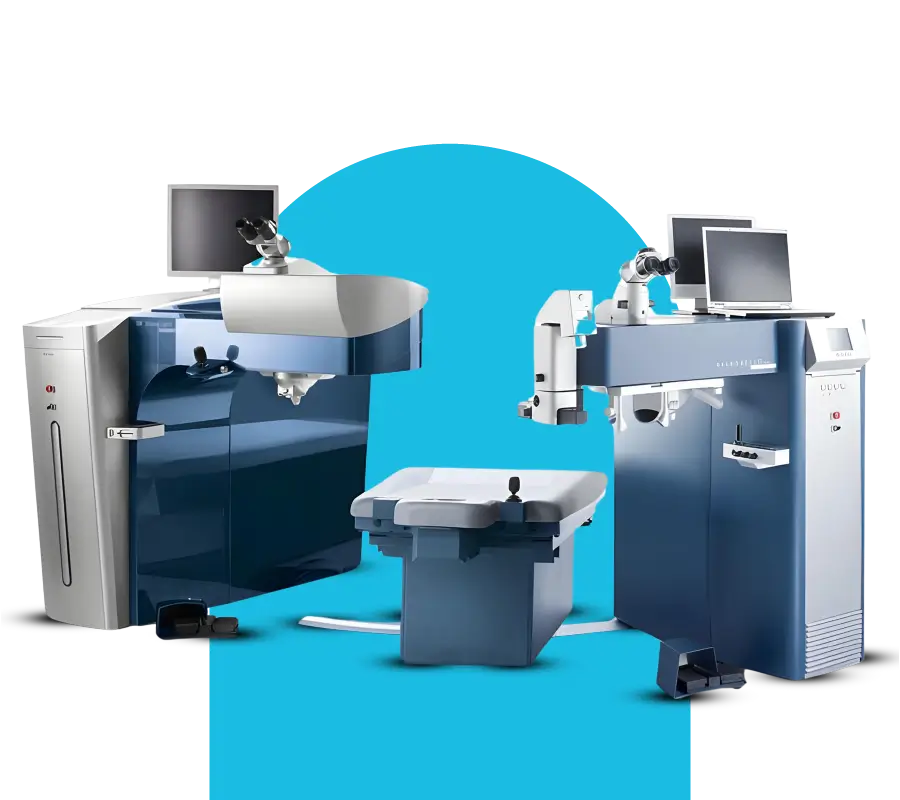
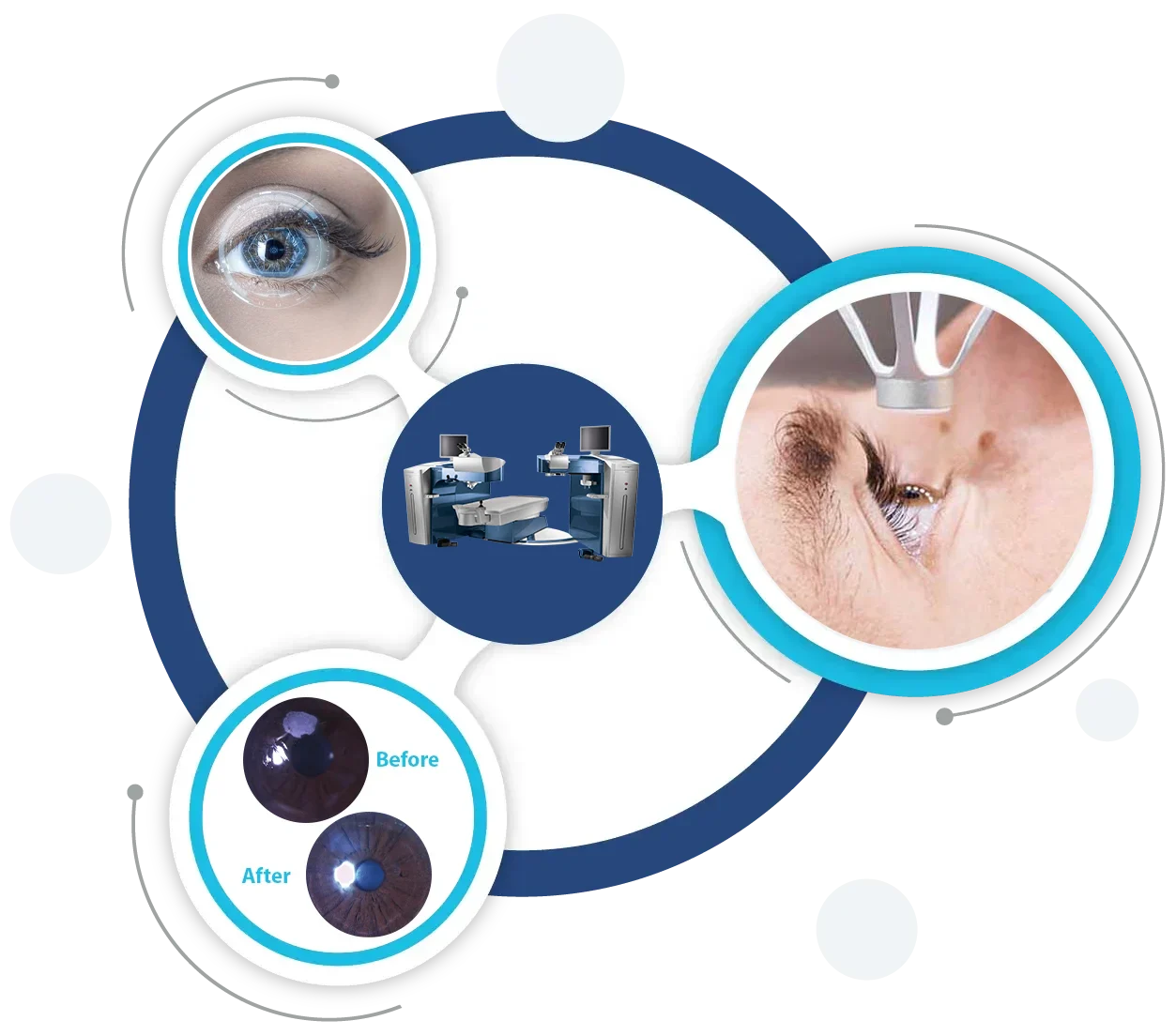
Femto LASIK is an advanced version of traditional LASIK. It is essentially a ‘no blade’ vision correction surgery designed for higher precision, safety, and comfort. Unlike conventional LASIK, which uses a mechanical blade, Femto LASIK employs a femtosecond laser for corneal flap creation - making the procedure completely bladeless and more accurate.

After flap creation, an excimer laser reshapes the underlying corneal tissue to correct refractive errors. This reshaping is aimed at making light focus correctly on the retina for clearer vision without dependence on glasses or contact lenses.

Femto LASIK supports treatment of myopia up to -12D, hyperopia up to +6D, and astigmatism up to ±6D. The procedure is relatively quick, and recovery may be smoother with minimal risk of post-operative complications.

Highlights of Femto LASIK:
  • 100% bladeless
  • US-FDA approved technology
  • Better vision clarity
  • Designed to minimise the risk of complications and tissue damage
  • Fast recovery
  • No hospital stay required

Eligibility

  • You must be 18 years of age
  • Stable eye power for at least a year
  • Ideal corneal thickness
  • Your eye power falls within the eligible range

Benefits

  • Bladeless procedure
  • Supports greater precision
  • Better visual clarity
  • Smoother recovery
  • No hospitalisation
  • Aimed at long-lasting outcomes

Our LASIK Screening Tests

  • Refractive eye examination
  • Slit Lamp Examination to check overall eye health
  • Pentacam for detailed 3D images of the cornea
  • Corneal Topography to assess the cornea’s shape
  • Pupil Dilation for Optic Nerve Examination
  • Pachymetry to ascertain corneal thickness
  • Tear Film Evaluation to check for dry eyes
  • IOP Test to measure eye pressure

How Femto LASIK works

Step-1

Numbing of the eye

The first step of the procedure is to administer numbing eye drops for a comfortable surgical experience.

Step-2

Corneal flap creation

The next step is to create the corneal flap using femtosecond laser instead of a mechanical blade in traditional LASIK.

Step-3

Laser

Once the flap has been created, the surgeon makes use of an excimer laser to reshape the corneal tissue.

Step-4

Repositioning the flap

The corneal flap is then positioned back into its original place. The procedure does not require any stitches.
Why Choose Us?

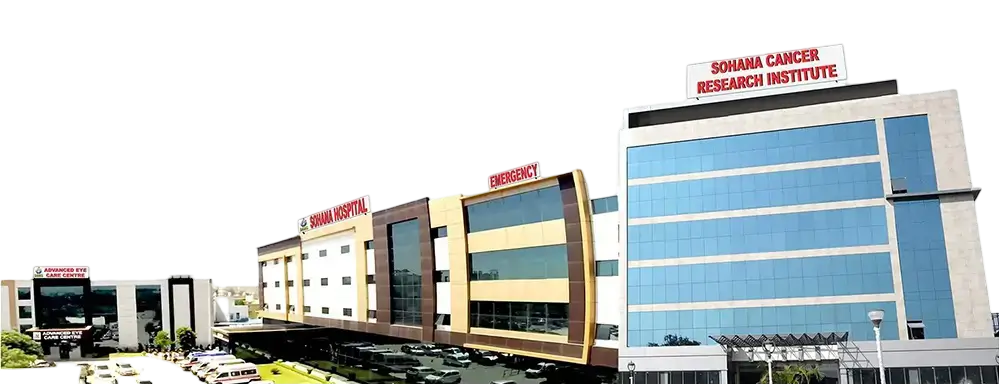
Sohana Eye Hospital

Complete refractive suite at Sohana Hospital - designed to give you clear vision without specs! Our team of expert refractive surgeons is committed to delivering vision correction treatments using modern technology at affordable prices.

30+ years in eye care

Expert refractive surgeons

2 Lakh+ lives transformed

Affordable prices

Advanced USFDA-approved technologies under one roof

Easy, no-cost EMI options

Book an Appointment
OUR TEAM OF EXPERTS

Meet Our Refractive Surgeons

What to Expect on the Day of Surgery

  • Quick pre-surgery eye checkup
  • Comfortable procedure of roughly 10 minutes (per eye)
  • No injections or stitches are needed
  • Rest in the recovery room for a short period

  • Doctor will examine your eyes once again after the procedure
  • Go home the same day with clear instructions for post-op care

Recovery After Surgery

  • Follow your eye-drop routine and your doctor's post-op instructions
  • Avoid touching or rubbing your eyes for the first few days
  • Avoid wearing eye makeup
  • Rest your eyes and avoid contact sports for at least a month
  • Avoid direct sunlight or wear UV-protected sunglasses when stepping outside
  • Attend follow-up appointments

Locate Us

Book an Appointment

Got Doubts?

Frequently Asked Questions

What refractive errors does Femto LASIK treat?

Answer: Femto LASIK is designed to correct all refractive errors: myopia (up to -12D), hyperopia (up to +6D), and astigmatism (up to ±6D).
Answer: Femto LASIK surgery cost in India is slightly higher than traditional LASIK, but the immense benefits of the bladeless Femto LASIK very much justify its cost. The surgery cost is dependent on factors like:
  • Refractive surgeon’s qualification and experience
  • Credibility of the eye hospital
  • Type of refractive error and its degree
  • Eye health
  • Cost of diagnostic tests
Sohana Hospital offers competitive rates to make affordable eye care accessible to everyone.
Answer: Yes. Femto LASIK is a safe and reliable procedure. Since it uses a femtosecond laser for corneal flap creation, the procedure comes with a reduced risk of side effects or post-op complications.
Answer: The Femto LASIK procedure typically takes around 15-20 minutes for both eyes. Prep time included, the procedure typically doesn’t take longer than 30 minutes. For another 20-30 minutes after your surgery, you will be monitored in the recovery room. The procedure doesn’t require hospitalisation, meaning you can go home the same day as your surgery.
Answer: You must be at least 18 years of age and have had a stable prescription for at least a year to be able to get Femto LASIK surgery.
Answer: Yes. Both eyes are treated with Femto LASIK on the same day, with a short break. The procedure takes nearly 10 minutes per eye.
Answer: Femto LASIK is considered better than traditional LASIK as it is more advanced. Femto LASIK uses a laser to create a flap in the cornea, whereas LASIK relies on a mechanical blade for flap creation.
Answer: Most patients can drive after Femto LASIK surgery, once they have their doctor’s approval. Rest might be advised for about 2 days after surgery. After the initial rest period, most patients can comfortably resume all normal life activities, including driving.
Answer: Numbing eye drops are administered prior to the procedure to support comfortable vision correction. Besides, the procedure takes just about 15-20 minutes. You will also be prescribed eye drops to manage post-op discomfort, should there be any.
Answer: Yes, Femto LASIK does not use a blade. Flap creation in Femto LASIK is done with a femtosecond laser, and not a mechanical blade. That is why this surgery is often more reliable than traditional LASIK surgery.

Our Empanelment