What Is ICL Surgery
High myopia limiting your vision?

What is ICL Surgery?

What Is ICL Surgery

Do you have high eye power, excessively dry eyes, or thin corneas? ICL (Implantable Contact Lens) surgery is an alternative for those labelled “unfit” for LASIK.

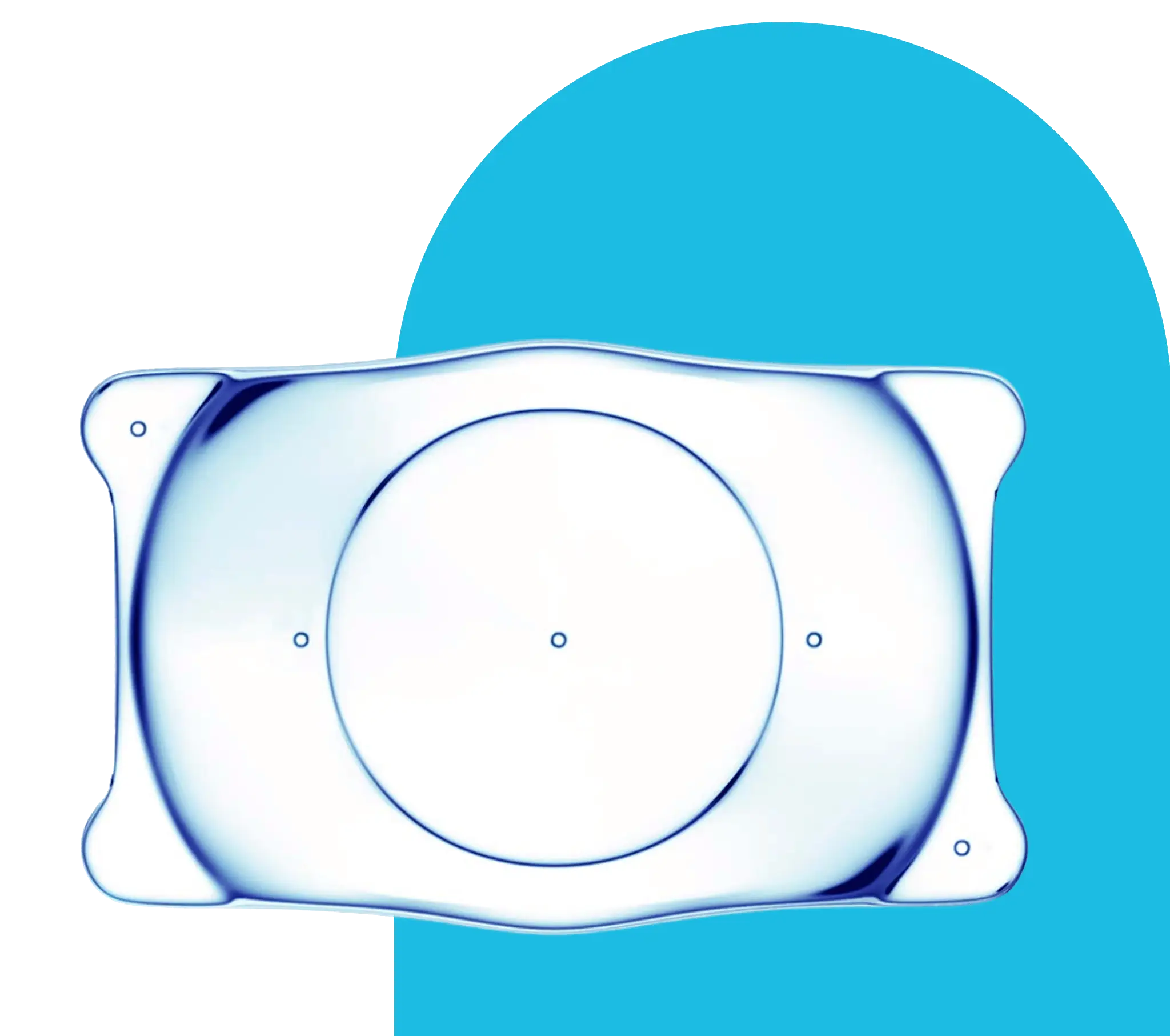
A USFDA-approved refractive eye surgery, ICL is designed to correct high nearsightedness (myopia), farsightedness (hyperopia), and astigmatism. While LASIK reshapes the cornea, ICL involves implanting an artificial lens permanently inside the eye to ensure light focuses correctly on the retina. This helps minimise the need to wear specs or contacts.

The lens used is soft, flexible, and biocompatible. It is easily accepted by the human body, reducing the risk of complications. Moreover, the lens can be removed or changed if the need arises in the future.

Highlights of ICL Surgery at Sohana Hospital:
  • Designed to correct high refractive errors
  • Ideal for thin corneas or dry eyes
  • Maintains corneal strength
  • Customizable lenses
  • Reversible procedure

Eligibility

  • Must be above 18 years of age
  • Stable specs number for at least 1 year
  • Thin corneas or dry eyes
  • High refractive error
  • Overall healthy eyes
  • Not pregnant or nursing

Benefits

  • Designed to correct high refractive errors
  • Ideal for thin corneas or dry eyes
  • Maintains corneal strength
  • Customizable lenses
  • Reversible procedure

Our LASIK Screening Tests

  • Refractive eye examination
  • Slit Lamp Examination to check overall eye health
  • Corneal Topography to assess the cornea’s shape
  • Pachymetry to check corneal thickness
  • Tear Film Evaluation for dry eyes
  • IOP Test to measure eye pressure

How ICL Surgery Works

Step-1

Anaesthesia and Preparation

The surgery takes about 10-15 minutes. Before the procedure, the area surrounding the eyes is properly cleaned, and a sterile drape is put. Subsequently, numbing eye drops or a local anaesthetic is administered to ensure the patient does not experience any sharp pain. Once the eye is numb, a small device, called an eyelid speculum, is gently placed between the eyelids to keep them open during surgery.

Step-2

Tiny Incision & Lens Insertion

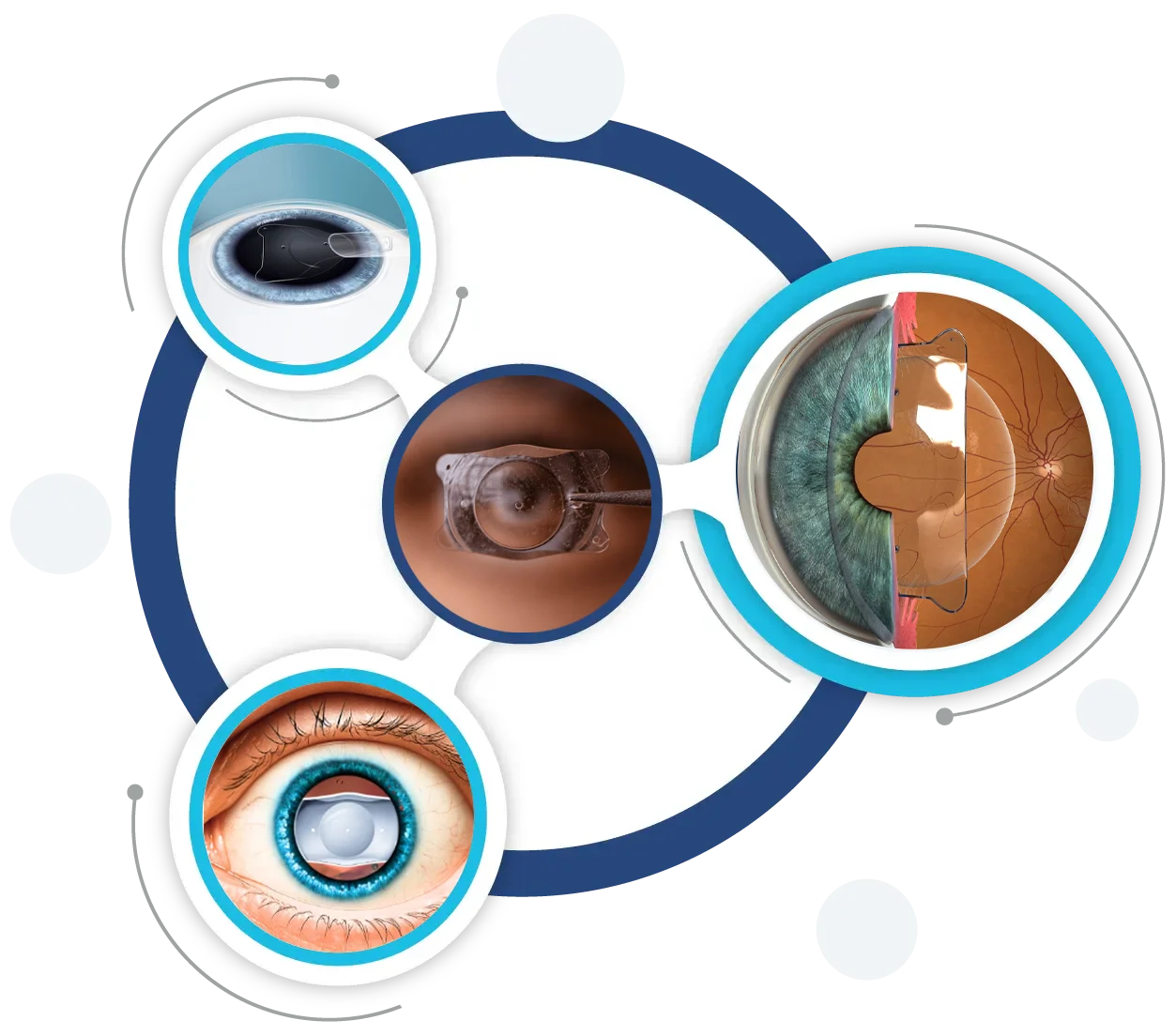
A small incision, usually less than 3 mm, is made in the cornea - to insert the folded Implantable Collamer Lens (ICL) into the eye. The lens unfolds naturally and is carefully positioned between the iris and the eye’s natural lens. This ensures the lens is visible neither to the patient nor to any observer. It also preserves the natural structure of the cornea. Although the lens is meant to remain permanently inside the eye, it can be removed or changed if need be.

Step-3

Recovery

The surgeon ensures the ICL is placed perfectly and is secure. There is no change in the shape of the cornea. The tiny incision seals on its own, and no stitches are required. Patients may notice clearer vision almost immediately. Post-surgery, antibiotic and anti-inflammatory eye drops are prescribed to promote healing and prevent infection. Most patients return to normal activities within a day or two.

Why Choose Us?

Sohana Eye Hospital

Why Sohana

Get crystal clear vision without specs! Our team of expert refractive surgeons is committed to delivering personalised vision correction treatments using the latest technology at the most affordable prices.

30+ years in eye care

Expert refractive surgeons

2 Lakh+ lives transformed

Affordable prices

Advanced USFDA-approved technologies under one roof

Easy, no-cost EMI options

Book an Appointment
OUR TEAM OF EXPERTS

Meet Our Refractive Surgeons

What to Expect on the Day of Surgery

  • Quick pre-surgery eye checkup
  • Comfortable procedure of only 10-15 minutes (per eye)
  • No injections or stitches are needed
  • Rest in the recovery room for a short period
  • Doctor will examine your eyes once again after the procedure
  • Go home the same day with clear instructions for post-op care

Recovery After Surgery

  • Follow your eye-drop routine and your doctor's post-op instructions
  • Avoid touching or rubbing your eyes for the first few days
  • Avoid wearing eye makeup
  • Rest your eyes and avoid contact sports for at least a month
  • Avoid direct sunlight or wear UV-protected sunglasses when stepping outside
  • Attend follow-up appointments.

Locate Us

Book an Appointment

Got Doubts?

Frequently Asked Questions

What is ICL eye surgery?

Answer: ICL (Implantable Collamer Lens) surgery is a vision correction procedure where a soft biocompatible lens is implanted inside the eye. This aims to correct refractive errors like myopia, hyperopia, and astigmatism. It offers a lens-based alternative to LASIK without removing corneal tissue. It is an alternative to LASIK for patients with high refractive error, thin corneas, or dry eyes.
Answer: ICL surgery is generally recommended for patients aged 21 to 45 years. If you have had stable vision for at least a year, you should be eligible. A detailed eye evaluation helps confirm eligibility.
Answer: ICL surgery is aimed at correcting myopia (nearsightedness), hyperopia (farsightedness), and astigmatism through customisable lenses. It’s especially recommended for patients who are not eligible for LASIK due to high power, thin corneas, or severely dry eyes.
Answer: ICL surgery has approval from the USFDA, which shows it meets global safety protocols. It uses certified collamer lens material that is biocompatible and designed to remain comfortably inside the eye.
Answer: You may be a good candidate if you’re aged between 21-45 years old, have a stable prescription for a year, and overall healthy eyes. A detailed pre-surgery screening that includes tests to assess corneal thickness, eye pressure, and retina is necessary to confirm eligibility.
Answer: Most patients notice clear vision within approximately 24-48 hours after ICL surgery. Complete recovery may take 1 to 2 weeks, during which you should follow some simple precautions.
*Recovery may vary for every individual.
Answer: You should avoid water activities - swimming, hot tubs, or any water sports - until you have clearance from your surgeon in order to prevent infection and ensure proper recovery.


Answer: The ICL procedure usually takes approximately 10-15 minutes, and it is done on an outpatient basis. No hospitalisation is required. Patients can go home the same day.

Answer: ICL surgery involves administering numbing eye drops before the procedure. Some patients may feel mild pressure or slight discomfort for a few hours post-surgery, but no sharp pain during the procedure.
Answer: The results of ICL surgery are long-lasting, and patients report clear vision for years.
Answer: ICL surgery is reversible. The lens can be removed or replaced by your ophthalmologist if the need arises at any time in the future.
Answer: The cost of ICL surgery in India varies from patient to patient, depending on factors like -
  • Eye surgeon’s qualification and experience
  • Reputation of the eye hospital
  • Kind of refractive error and its severity
  • Patient’s eye health
  • Cost of screening tests

Our Empanelment

// // $('.dropdown-submenu > a.submenu').on("click", function(e) { // e.preventDefault(); // e.stopPropagation(); // $(this).next('.submenu-content').toggle(); // }); //