Refractive Eye Surgery
See Life in a New Light

What is PRK Eye Surgery?

Refractive Eye Surgery

PRK or Photorefractive Keratectomy is an advanced type of laser eye surgery used to correct mild to moderate refractive errors such as myopia (nearsightedness), hyperopia (farsightedness), and astigmatism. This surgery is an exceptionally optimal alternative to LASIK for patients who are prone to dry eyes or have thin corneas.

PRK eye surgery does not involve creating a corneal flap; it simply removes the outer layer of the cornea, known as epithelium. Then the cornea is reshaped via laser. PRK eye surgery has a slightly higher recovery time than LASIK, but provides long-lasting results and permanent freedom from specs.

Highlights of PRK Surgery:
  • Ideal for people with thin corneas
  • 100% flapless procedure
  • US-FDA approved technology
  • Long-term vision stability
  • Smooth recovery
  • No hospital stay

Eligibility

  • You must be 18 years of age
  • Stable eye power for at least a year
  • If you have thin corneas
  • You must not be pregnant or lactating
  • Your eye power falls within the eligible range
  • You must not have any other eye conditions

Benefits

  • Ideal for individuals who do not qualify for LASIK
  • Long-term, permanent results
  • No hospitalisation
  • Flapless & Painless
  • 100% safe for people with thin corneas
  • Perfect for contact sports

Our LASIK Screening Tests

  • Refractive eye examinatio
  • Pentacam for detailed 3D images of the cornea
  • IOP Test to measure eye pressure
  • Pupil Dilation for optic nerve examination
  • Tear Film Evaluation to evaluate for dry eyes
  • Slit Lamp Examination to check overall eye health
  • Corneal Topography to assess the cornea’s shape

Ready to say goodbye to your glasses?

Special Offer: Contact for free LASIK screening tests worth ₹6,700

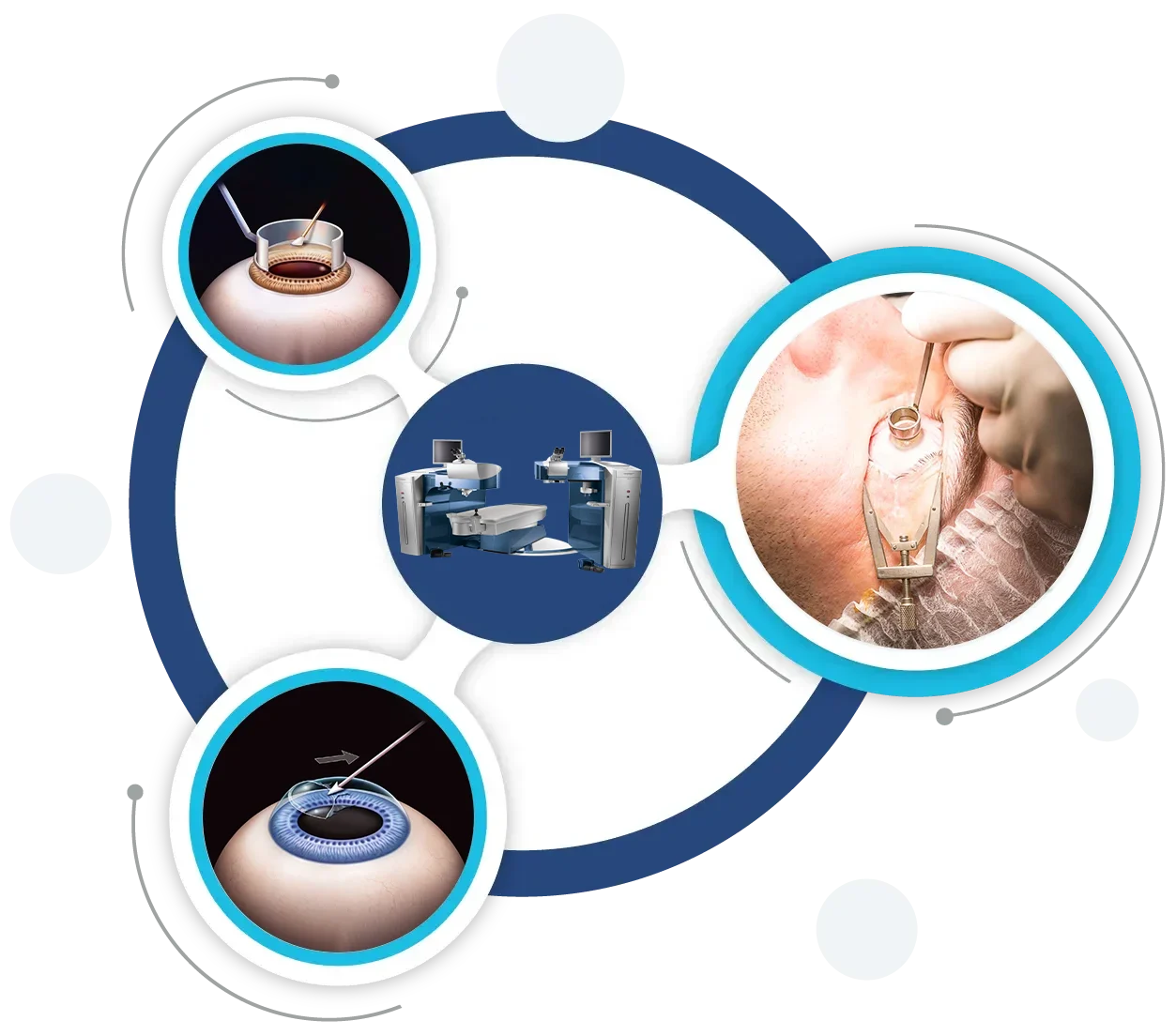
How PRK Surgery Works

Step-1

Numbing Eye Drops

The first step is to apply numbing eye gel or drops as a topical anaesthesia. This is done so the patient does not experience any pain during the procedure.

Step-2

Epithelium Removal

After numbing the eyes, the next step in PRK eye surgery involves the removal of the cornea’s outer layer (epithelium) with a mild alcohol solution.

Step-3

Reshaping the Cornea

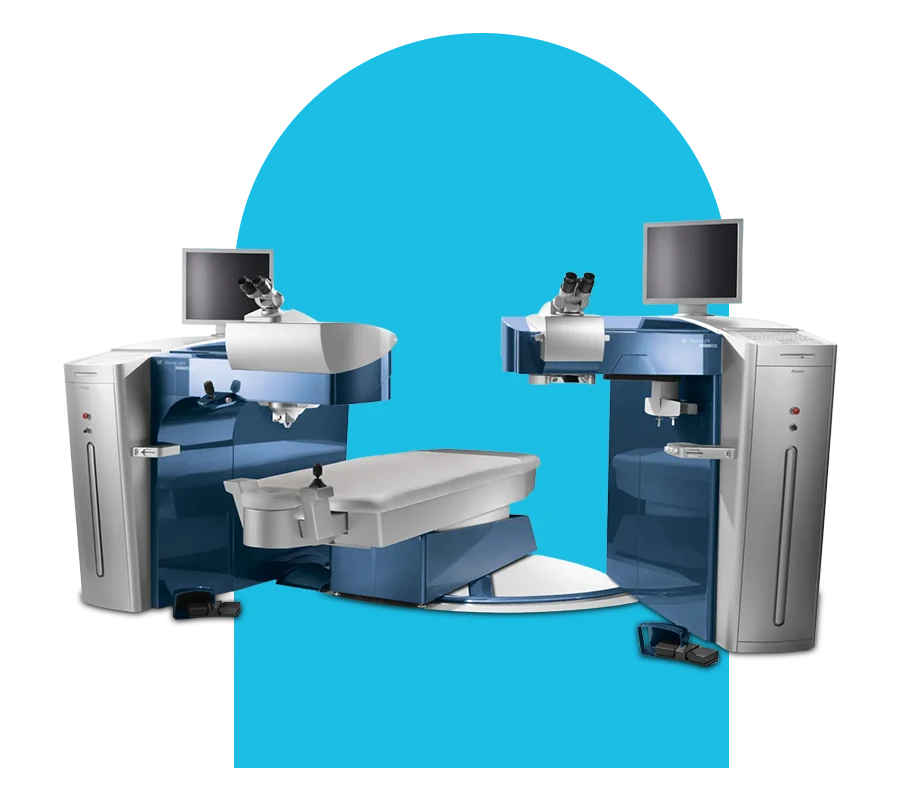
After the epithelium has been safely rolled off the centre, the next step is to reshape the cornea’s curvature to correct the refractive error, using an excimer laser.

Step-4

Recovery

Finally, a bandage-like soft contact lens is placed on the eyes post-surgery to facilitate a smoother recovery and minimise discomfort. The natural epithelium regrows on its own in a few days.
Why Choose Us?

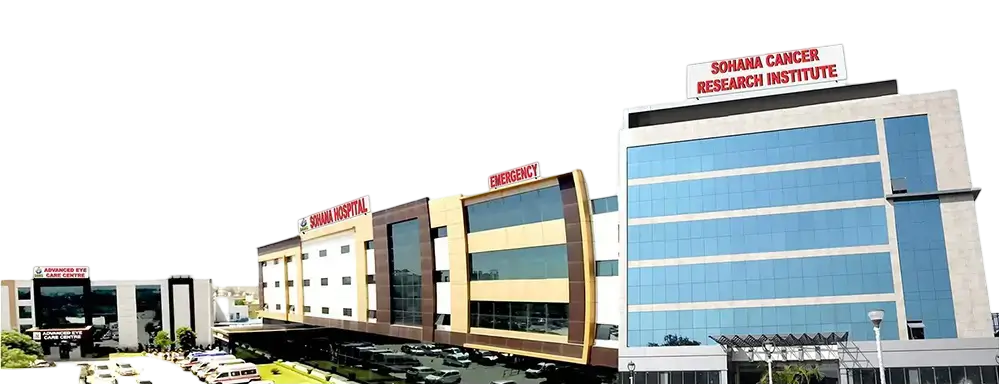
Sohana Eye Hospital - North India’s Biggest & Best Specs Removal Centre

Why Sohana

Get crystal clear vision without specs! Our team of expert refractive surgeons is committed to delivering personalised vision correction treatments using the latest technology at the most affordable prices.

30+ years of excellence

Expert refractive surgeons

2 Lakh+ successful surgeries

Most affordable prices

All latest technologies under one roof

Easy, no-cost EMI options

Book an Appointment
OUR TEAM OF EXPERTS

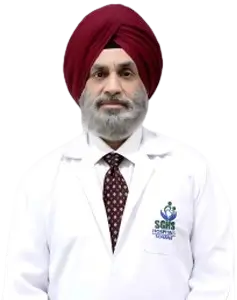
Meet Our Refractive Surgeons

What to Expect on the Day of Surgery

  • Quick pre-surgery eye checkup
  • Comfortable, painless procedure of only 5-15 minutes (per eye)
  • No injections or stitches are needed
  • Rest in the recovery room for a short period

  • Doctor will examine your eyes once again after the procedure
  • Go home the same day with clear instructions for post-op care

Recovery After Surgery

  • Follow your eye-drop routine and your doctor's post-op instructions
  • Avoid touching or rubbing your eyes for the first few days
  • Avoid wearing eye makeup
  • Rest your eyes and avoid contact sports for at least a month
  • Avoid direct sunlight or wear UV-protected sunglasses when stepping outside
  • Attend follow-up appointments

Locate Us

Book an Appointment

Got Doubts?

Frequently Asked Questions

Are the results of PRK permanent?

Answer: Yes. The results of PRK are permanent. Most patients enjoy long-term results, provided their eye power has been stable before surgery.
Answer: You must be at least 18 years old and have a stable vision prescription for at least one year to qualify for PRK.
Answer: PRK is usually performed on both eyes on the same day. Since it is a day-care procedure, you can get both your eyes operated on and go home the same day!
Answer: Initial healing after PRK takes about 3-5 days, and regular activities can begin to be resumed within 1-3 weeks after the procedure.
Answer: The cost of PRK eye surgery in Chandigarh varies depending on factors such as:
  • The surgeon’s skills & experience
  • The reputation of the eye hospital
  • The degree of refractive error
  • Pre-operative eye health and diagnostic requirements
Sohana Eye Hospital offers PRK eye surgery in Chandigarh at affordable prices with advanced technology and experienced refractive specialists to help you achieve clear vision safely.
Answer: PRK is a US-FDA approved vision correction procedure. It has been performed safely for decades with excellent results. The success rate is very high, and most patients report high vision stability after full recovery.
Answer: No. The eyes are numbed with anesthetic drops before the surgery, so you won’t feel pain during the procedure. You may experience mild discomfort for a few days after surgery as the cornea heals, which can be managed with prescribed medications and lubricating drops.
Answer: Yes. PRK is a 100% flapless procedure. Unlike LASIK, no corneal flap is created. Instead, the outermost corneal layer (epithelium) is gently removed, and the underlying tissue is reshaped with a laser. The epithelium naturally regenerates within a few days.

Our Empanelment