
Refractive Eye Surgery
RLE: The vision solution for 40+

What is RLE Surgery?

Refractive Eye Surgery

Clear vision is now possible, even in your 40s and beyond! Refractive Lens Exchange (RLE) surgery replaces the natural eye lens with an artificial lens to give you freedom from various refractive issues - myopia, hyperopia, astigmatism, and even age-induced presbyopia. Your cornea remains intact with RLE, since no corneal tissue is removed.

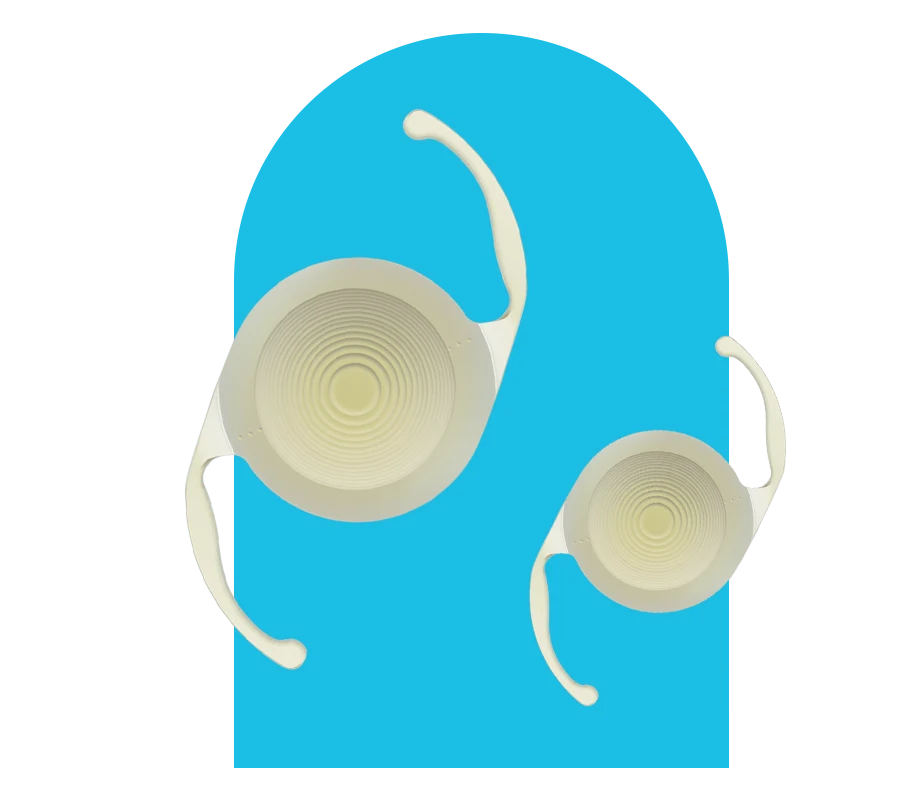
The artificial lens (IOL) placed in the eye is biocompatible and has exactly the same prescription as your refractive error. It can be a perfect alternative for patients over 40 or those not fit for LASIK. It also minimises your future risk of cataract. Depending on the type of IOL you choose, you may not at all need to wear glasses!

Highlights of RLE Surgery at Sohana Hospital:
  • Minimally invasive and painless
  • Ideal for patients above 40
  • Corrects presbyopia and high refractive errors
  • Maintains corneal strength
  • Minimises future cataract risk
  • Customised lenses
  • No hospital stay

Eligibility

  • Age above 40 years
  • Want to treat presbyopia with a lens implant
  • High refractive error
  • Do not qualify for LASIK
  • Those with early-stage cataract
  • Overall healthy eyes

Benefits

  • The procedure takes only around 10 minutes
  • Minimally invasive
  • Painless surgery
  • No hospital stay
  • Customised lens implant
  • Reduces future cataract risk

Ready to say goodbye to your glasses?

Special Offer: Contact for free LASIK screening tests worth ₹6,700

How RLE Surgery Works

Step-1

Giving Anaesthesia for the Procedure

Numbing eyedrops are administered to your eyes. You remain conscious but do not feel any pain. Sometimes, additional sedatives may be given for added comfort. In some cases, topical anaesthesia may be used instead of local anaesthesia.

Step-2

Creating an Incision in the Cornea

A tiny incision of about 2-3 mm is created at the edge of the cornea (the clear front layer of the eye). Since the incision is so small, it heals naturally, and there is rarely a need for stitches. That is why, RLE eye surgery is minimally-invasive and has fast recovery.

Step-3

Removing the Natural Eye Lens

The surgeon utilises an ultrasound technique known as phacoemulsification to soften and emulsify (break up) the natural eye lens. They then use a specialised instrument with a suction system to extract the fragments from the eye.

Step-4

Inserting the Intraocular Lens (IOL)

An IOL (artificial lens) is inserted into the vacant lens capsule. The IOL or intraocular lens is a clear, synthetic lens. It is made of materials like silicone, acrylic, or hydrophobic acrylic. The eye is then covered with a protective shield.

Why Choose Us?

Sohana Eye Hospital - North India’s Biggest & Best Specs Removal Centre

Why Sohana

Get crystal clear vision without specs! Our team of expert refractive surgeons is committed to delivering personalised vision correction treatments using the latest technology at the most affordable prices.

30+ years of excellence

Expert refractive surgeons

2 Lakh+ successful surgeries

Most affordable prices

All latest technologies under one roof

Easy, no-cost EMI options

Book an Appointment
OUR TEAM OF EXPERTS

Meet Our Refractive Surgeons

What to Expect on the Day of Surgery

  • Quick pre-surgery eye checkup
  • Comfortable, painless procedure of only 10-15 minutes (per eye)
  • No injections or stitches are needed
  • Rest in the recovery room for a short period
  • Doctor will examine your eyes once again after the procedure
  • Go home the same day with clear instructions for post-op care

Recovery After Surgery

  • Follow your eye-drop routine and your doctor's post-op instructions
  • Avoid touching or rubbing your eyes for the first few days
  • Avoid wearing eye makeup
  • Rest your eyes and avoid contact sports for at least a month
  • Avoid direct sunlight or wear UV-protected sunglasses when stepping outside
  • Attend follow-up appointments.

Locate Us

Book an Appointment

Got Doubts?

Frequently Asked Questions

What is RLE surgery?

Answer: RLE (Refractive Lens Exchange) surgery is an advanced refractive procedure that replaces the natural eye lens with an artificial intraocular lens to correct vision problems like presbyopia, myopia, hyperopia, and astigmatism. It is a suitable alternative for people aged above 40 or those who lack eligibility for other refractive surgeries.
Answer: RLE is typically advised for people over 40 who want a long-lasting solution to presbyopia (age-related decline in vision), farsightedness (hyperopia), nearsightedness (myopia), or astigmatism.
Answer: No. You get numbing eye drops prior to the procedure. Most patients feel no pain during surgery.
Answer: The surgeon makes a small (2-3 mm) incision in the cornea, removes the natural lens, and replaces it with an artificial intraocular lens. The whole procedure typically takes only about 10-20 minutes per eye and is done as an outpatient surgery. You require no hospitalisation.



Answer: Recovery is generally fast, and most people can resume normal activities within 48 hours.
Answer: RLE surgery is a US-FDA approved and highly safe procedure. Complications are usually not there.
Answer: The results are typically permanent, and patients continue to enjoy improved vision for years.
Answer: While in both RLE and cataract surgeries, the natural eye lens is replaced with an IOL, RLE is an optional procedure done to correct refractive errors, whereas cataract surgery is an essential surgery that treats the cloudy eye lens to save vision of the patient.​
Answer: Most patients do not ever need to wear glasses after RLE. However, some may still need specs for certain tasks like reading very small print - it largely depends on the type of IOL (artificial lens) you choose.
Answer: The cost of RLE can vary significantly depending on several factors, such as your refractive error, the type of artificial lens you choose, the qualification and experience of the surgeon, and the kind of hospital. At Sohana Eye Hospital, Mohali, all refractive surgeries are available at the most competitive prices in the entire North Indian region. Also, the hospital maintains the highest standards of care to ensure high patient satisfaction.
Answer: Yes. You can comfortably get both eyes operated on with RLE on the same day.
Answer: Most patients do not need to wear glasses after RLE. However, some may need specs for certain tasks like reading very small print - it largely depends on the type of IOL (artificial lens) you choose.

Our Empanelment